
Ethinylestradiol
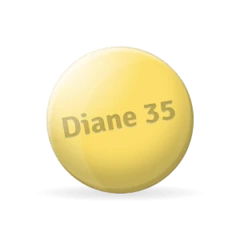
Two combined oral contraceptive tablets sit on this shelf: Yaz, which pairs ethinylestradiol with drospirenone, and Diane 35, which pairs it with cyproterone acetate.

Key points
- Combined oral contraceptives raise the risk of venous thromboembolism (blood clots in veins), with the label estimating 3 to 9 cases per 10,000 woman years among users.
- The boxed warning states that cigarette smoking increases the risk of serious cardiovascular events, and these products are not suitable for women over 35 who smoke.
- Ethinylestradiol undergoes first-pass metabolism via CYP3A4 in the gut and liver, leaving systemic bioavailability at roughly 43%.
Common questions about Ethinylestradiol
What separates Yaz from Diane 35?
Both are Women’s Health combination tablets from Bayer, but they pair ethinylestradiol with different progestogens and at different doses. Yaz contains 0.02 mg ethinylestradiol with 3 mg drospirenone and is listed for Contraception, Premenstrual Dysphoric Disorder and acne. Diane 35 contains 0.035 mg ethinylestradiol with 2 mg cyproterone acetate and is listed for androgen-dependent acne, hirsutism and contraception.
What does the “35” in Diane 35 refer to?
The number marks the ethinylestradiol content: 0.035 mg per tablet, against Yaz’s 0.02 mg. The higher oestrogen dose in Diane 35 pairs with cyproterone acetate, a progestogen with anti-androgenic activity, which is why the product is listed for androgen-dependent acne and hirsutism alongside its contraceptive use.
Further reading
What is ethinylestradiol used for?
Ethinylestradiol is used in combination tablets for contraception, premenstrual dysphoric disorder, hirsutism and acne, including androgen-dependent acne.
How does ethinylestradiol work?
Ethinylestradiol suppresses ovulation by blocking FSH and LH. It also alters the endometrial texture and thickens cervical mucus.
How long does ethinylestradiol take to work?
Ethinylestradiol starts working within 1 to 7 days. Its effect lasts for 24 hours.
What are the side effects of ethinylestradiol?
Common side effects include nausea, headache and breast tenderness. You may also get fluid retention, mood changes or irregular bleeding. Deep vein thrombosis, pulmonary embolism and stroke are serious side effects that need immediate medical attention.
Who should not take ethinylestradiol?
Ethinylestradiol is not suitable if you have a history of deep vein thrombosis, renal impairment or adrenal insufficiency, or if you smoke and are over 35. Speak to your doctor or pharmacist if any of these apply.
In which products can I find ethinylestradiol?
On Direct Meds, ethinylestradiol comes as Yaz and Diane 35. Compare their forms, strengths and packs.
What does ethinylestradiol cost in rand?
Compare the rand prices for each product, strength and pack above. Prices are converted from US dollars. Larger packs usually cost less per tablet.
Payment and prices →Is ethinylestradiol available over the counter in South Africa?
Yes, online. Direct Meds does not ask for a prescription to order ethinylestradiol. We are a broker, not a dispensing pharmacy. We arrange orders and delivery with our affiliated supplier on your behalf.
Ordering without a prescription →Do you deliver ethinylestradiol to South Africa?
Yes. Our affiliated supplier delivers across South Africa. Estimated delivery is 7 days with Express Delivery, which includes online tracking, or up to 3 weeks with Regular Delivery.
How ordering works →