
Antifungals
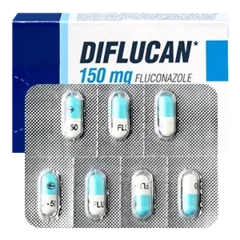
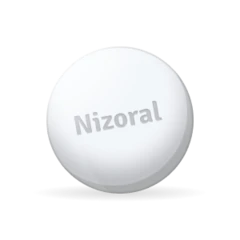
Tablets, a nail lacquer and a topical gel treat fungal infections in this range, built on fluconazole, ketoconazole and ciclopirox ingredients in brands such as Diflucan, Nizoral and Nailrox.
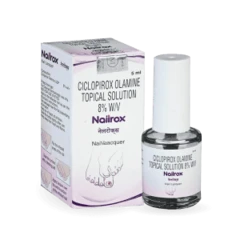
Nailrox Nail Lacquer
8%
Ciclopirox nail lacquer for fungal nail infections and athlete's foot. It is painted on like polish and penetrates the nail.

Key points
- Antifungal medicines come as topical, oral or intravenous formulations, depending on where the infection sits.
- Azoles are the largest group in this range, including fluconazole, ketoconazole and voriconazole.
- Nailrox, the ciclopirox nail lacquer, is listed by Intas Pharmaceuticals in its India product range.
- Combining a topical antifungal with a corticosteroid is advised against, since the steroid can worsen a fungal skin infection, per CDC guidance.
Azoles and the ciclopirox nail lacquer
Fluconazole is the azole in Diflucan, listed for vulvovaginal and systemic candidiasis and cryptococcal meningitis. Ketoconazole is the azole in Nizoral, listed for systemic fungal infections, tinea corporis and seborrhoeic dermatitis. Vfend contains voriconazole, another azole, listed for invasive aspergillosis and candidiasis. Nailrox is a ciclopirox nail lacquer for onychomycosis and tinea pedis, a different antifungal class from the three azole tablets.
Griseofulvin and miconazole for fungal infections
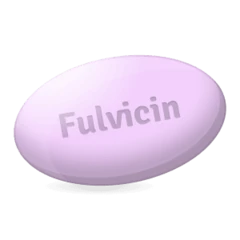
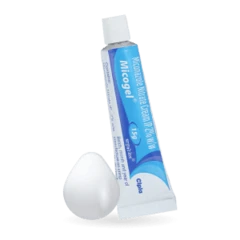
Fulvicin contains griseofulvin, a mitotic inhibitor antifungal, listed for fungal infections of the scalp, body and feet: tinea capitis, tinea corporis and tinea pedis. Micogel (miconazole) is listed for tinea pedis, tinea cruris, tinea corporis and cutaneous candidiasis, with Cipla listed as its manufacturer.
Further reading
What antifungals does Direct Meds sell?
Direct Meds lists 6 antifungals. Together they contain 6 different active ingredients, including fluconazole, ketoconazole and ciclopirox. Examples include Diflucan and Nizoral; all 6 medicines are listed on this page.
What do antifungals treat?
Between them, the antifungals on Direct Meds are used for tinea corporis, tinea pedis, systemic candidiasis, vulvovaginal candidiasis and cryptococcal meningitis.
What forms do antifungals come in?
Mostly as tablets, with some nail lacquers and gels. The forms and strengths are listed on each product page.
How do I choose between the antifungals on Direct Meds?
Start with the active ingredient: there are 6 different ones in this range. Products with the same active ingredient contain the same medicine. Compare their strength, form and price per unit. Each product page's details table lists uses, how quickly it works, side effects and interactions. If you take other medicines, are pregnant or have a long-term condition, check with a doctor or pharmacist first.
Are these antifungals brand-name or generic?
Mostly generic. Names such as Diflucan and Nizoral identify the medicine: you receive a generic with the same active ingredient and strength. Others, such as Nailrox Nail Lacquer and Micogel, are listed under their own names; for these you receive a branded generic or generic with the same active ingredient, depending on stock.
What you will receive →How are antifungals priced?
Compare each medicine, strength and pack on its product page. Prices are shown in rand, converted from US dollars, so the final rand total can change with the exchange rate. Larger packs usually cost less per unit.
Payment and prices →Are antifungals available over the counter in South Africa?
Yes, online. Direct Meds does not ask for a prescription to order antifungals. We are a broker, not a dispensing pharmacy. We arrange orders and delivery with our affiliated supplier on your behalf.
Ordering without a prescription →How do I order antifungals for delivery in South Africa?
Choose a product, strength and pack, then check out. Our affiliated supplier delivers across South Africa. Estimated delivery is 7 days with Express Delivery, which includes online tracking, or up to 3 weeks with Regular Delivery.
How ordering works →