
Antibiotics
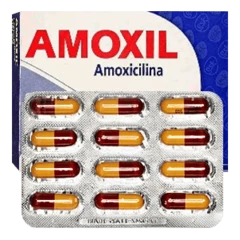
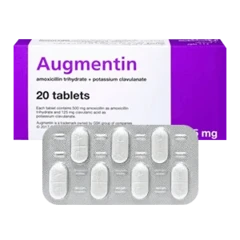
Beta-lactam, nitroimidazole and other antibacterial tablets, capsules and creams for bacterial infections make up this range of oral and topical treatments, including Amoxil, Augmentin and Cipro.
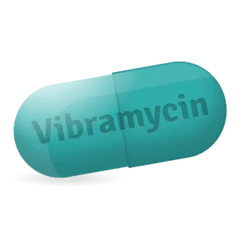
Vibramycin
100mg
Doxycycline capsules for bacterial infections, including chlamydia. It stops bacteria from making proteins they need to grow.
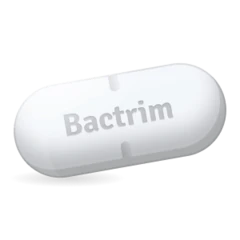
Bactrim
Sulfamethoxazole, Trimethoprim
400mg + 80mg · 800mg + 160mg
A sulfamethoxazole and trimethoprim combination for urinary tract infections and pneumocystis pneumonia. Each ingredient blocks a different step in the same pathway.
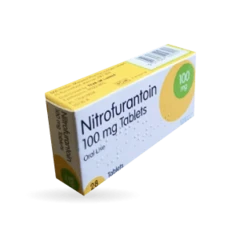
Nitrofurantoin Tablets
50mg · 100mg
Nitrofurantoin tablets for bladder infections and other UTIs. It concentrates in the urine to act directly on the bacteria.
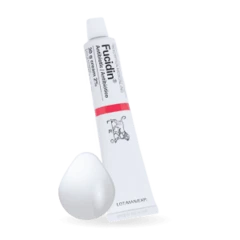
Fucidin Cream
2% 15gm · 2% 5gm
Fusidic acid cream for bacterial skin infections such as impetigo. It stops bacteria from producing the proteins they need to multiply.
Key points
- Antibiotics act against bacteria and will not treat viral infections such as colds or flu.
- WHO’s AWaRe framework groups antibiotics into Access, Watch and Reserve categories to guide stewardship and monitoring.
- Any antibiotic use can add to antimicrobial resistance, so unnecessary use carries avoidable risk.
- This range includes single-ingredient options such as azithromycin, ciprofloxacin, doxycycline, metronidazole and nitrofurantoin, alongside combination tablets like Augmentin and Bactrim.
Amoxicillin, metronidazole and other antibiotics in this range
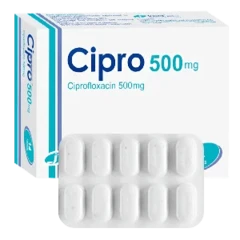
Amoxicillin is the ingredient in Amoxil, listed for bacterial infections and Helicobacter pylori infection. It combines with clavulanic acid in Augmentin, also listed for sinusitis and otitis media. Metronidazole is listed in Flagyl Er for bacterial vaginosis, while doxycycline in Vibramycin is listed for chlamydia trachomatis infection and malaria alongside general bacterial infections. Ciprofloxacin, the ingredient in Cipro, is listed for infectious diarrhoea, typhoid fever and bone infections.
Bactrim, Nitrofurantoin and other antibiotics in this range
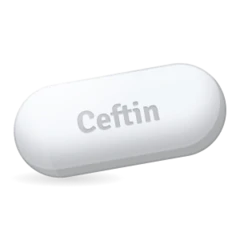
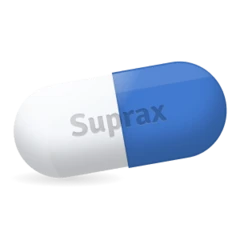
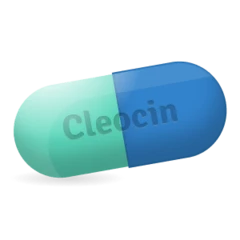
Bactrim combines sulfamethoxazole and trimethoprim, listed for urinary tract infections, pneumocystis pneumonia and shigellosis. Nitrofurantoin Tablets are listed for acute cystitis and urinary tract infections, and azithromycin in Azee Dt is listed for respiratory tract infections and bacterial sinusitis. Ceftin (cefuroxime axetil) is listed for pharyngitis, tonsillitis and gonorrhoea, Suprax (cefixime) for pharyngitis, gonorrhoea and otitis media, Cleocin (clindamycin) for gynaecological and bone infections, and Fucidin Cream (fusidic acid) for skin infections and impetigo.
Further reading
Which antibiotics can I buy on Direct Meds?
Direct Meds lists 12 antibiotics. Together they contain 13 different active ingredients, including amoxicillin, clavulanic acid and doxycycline. Examples include Amoxil and Augmentin; all 12 medicines are listed on this page.
What do antibiotics treat?
Between them, the antibiotics on Direct Meds are used for bacterial infections, otitis media, bone infections, urinary tract infections and pharyngitis.
In what forms are antibiotics sold?
Mostly as tablets, with some capsules and creams. The forms and strengths are listed on each product page.
How do I compare antibiotics?
Start with the active ingredient: there are 13 different ones in this range. Products with the same active ingredients contain the same medicine. Compare their strength, form and price per unit. Each product page's details table lists uses, how quickly it works, side effects and interactions. If you take other medicines, are pregnant or have a long-term condition, check with a doctor or pharmacist first.
Will I receive branded or generic antibiotics?
Usually a generic. Names such as Amoxil and Augmentin identify the medicine: you receive a generic with the same active ingredients and strength. Others, such as Flagyl ER and Azee DT, are listed under their own names; for these you receive a branded generic or generic with the same active ingredient, depending on stock.
What you will receive →How much do antibiotics cost in South Africa?
Compare each medicine, strength and pack on its product page. Prices are shown in rand, converted from US dollars, so the final rand total can change with the exchange rate. Larger packs usually cost less per unit.
Payment and prices →Can I buy antibiotics over the counter in South Africa?
Yes, online. Direct Meds does not ask for a prescription to order antibiotics. We are a broker, not a dispensing pharmacy. We arrange orders and delivery with our affiliated supplier on your behalf.
Ordering without a prescription →Can I order antibiotics online in South Africa?
Yes. Choose a product, strength and pack, then check out. Our affiliated supplier delivers across South Africa. Estimated delivery is 7 days with Express Delivery, which includes online tracking, or up to 3 weeks with Regular Delivery.
How ordering works →Related articles
22 Sept 2026 ⋅ 5 min read
Doxycycline for malaria or acne: why the purpose matters
Doxycycline has different roles in malaria prevention, acne and rosacea. Learn the formulation differences, South African supply exception and practical precautions.
Read guide