
Pregabalin
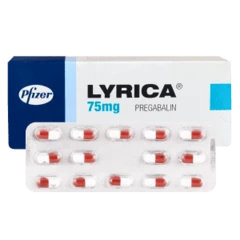
Lyrica (pregabalin) is the only product on this shelf, a capsule in 75 mg, 150 mg and 300 mg strengths for nerve pain and shingles-related pain.
Key points
- Pregabalin belongs to the anticonvulsant class and works by reducing the number of pain signals sent out by damaged nerves.
- Prolonged use may lead to drug dependence and addiction, and this can occur even at recommended therapeutic doses over a short period.
- Taking pregabalin alongside opioids carries a risk of severe breathing problems and an increased risk of opioid-related death.
How does Pregabalin work?
Pregabalin calms overexcited nerves by binding to a specific site on calcium channels, which reduces the release of neurotransmitters that carry pain signals. This is why it sits in the anticonvulsant class: the same calming effect that quiets seizure activity also dampens the misfiring nerves behind Neuropathic Pain and Postherpetic Neuralgia. It is also listed under Antidepressants because of its use in generalized anxiety disorder.
Further reading
Related articles

22 Sept 2026 ⋅ 4 min read
Pregabalin and Lyrica: when does the benefit outweigh the risk?
Pregabalin can help some people with nerve pain or anxiety. Compare the evidence, everyday side effects, breathing risks and dependence without the stigma.
Read guide