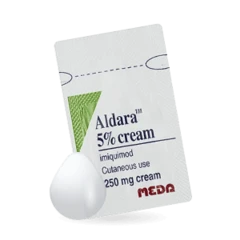
Aldara Cream
5% 250mg
Imiquimod cream for actinic keratosis and genital warts. It works by triggering the body's own immune response against the affected cells.
From$12.00/ sachetView
Actinic keratoses, also called solar keratoses, are dry, scaly patches on skin damaged by the sun. They are not usually serious, but a small proportion can progress to skin cancer, so they are treated and monitored rather than ignored.
5% 250mg
Imiquimod cream for actinic keratosis and genital warts. It works by triggering the body's own immune response against the affected cells.
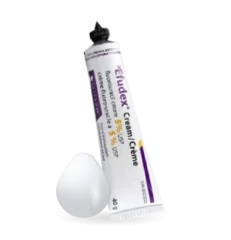
The listed products contain Imiquimod and Fluorouracil, both applied as creams to the affected skin. Imiquimod works by stimulating the local immune response against abnormal cells, while fluorouracil interferes with the growth of those cells directly. These are among the topical treatments used for actinic keratosis, alongside options such as freezing and photodynamic therapy.