
Miscarriage
Most miscarriages happen in the first 14 weeks. If a scan shows the pregnancy has stopped and the tissue has not come away, you can wait, have a short suction procedure, or take medicine that helps the womb empty.
Medicine used to treat Miscarriage
Key points
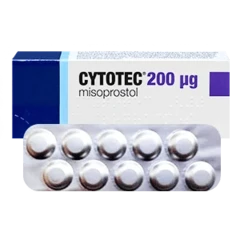
- Misoprostol is that medicine: it causes contractions, and most people take it at home.
- Your doctor confirms the loss on ultrasound first and decides the dose and route (between cheek and gum, or vaginal).
- Go to an emergency unit if you fill a pad every hour or the pain stays severe after painkillers.
What to expect
Bleeding and cramping, stronger than a period, normally begin within hours. You may pass clots; the bleeding settles once the tissue is out, though spotting can last two to three weeks. Diarrhoea, nausea and chills are common side effects. Have someone with you on the day, and do the follow-up check or pregnancy test your doctor asks for.
Medicines listed for Miscarriage
Cytotec contains misoprostol in 100mcg and 200mcg tablets, listed in Women’s Health. The same medicine, usually after mifepristone, is used to end a continuing early pregnancy; the Cytotec page covers that and who should not take it.
Further reading
Last updated