
Schizophrenia
Schizophrenia is a long-term mental health condition that causes a range of psychological symptoms. It can affect how a person thinks, feels and behaves, and is often described as a type of psychosis.



Key points
- People are usually first diagnosed between the ages of 16 and 30, often after a first episode of psychosis.
- Schizophrenia is usually treated with a combination of medicine and therapy, tailored to each individual.
- The condition does not mean a split personality, and it does not usually cause someone to be violent.
- Many people recover, though symptoms can return in periods called relapses.
Medicines listed for Schizophrenia
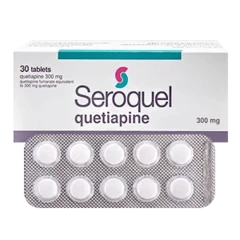
The five products listed for schizophrenia are all antipsychotic medicines, sometimes called atypical or second-generation antipsychotics. They include Quetiapine (Seroquel), Aripiprazole (Abilify), risperidone (Risperdal), olanzapine (Zyprexa) and lurasidone (Latuda). Each is a tablet in a range of strengths. Antipsychotics are a medicine class used to help manage symptoms such as hallucinations and disorganised thinking.
Further reading
What is schizophrenia?
Schizophrenia is a long-term mental health condition that causes a range of psychological symptoms. It can affect how a person thinks, feels and behaves, and is often described as a type of psychosis. It does not mean a split personality.
At what age is schizophrenia usually first diagnosed?
People are usually first diagnosed between the ages of 16 and 30, often after a first episode of psychosis.
How is schizophrenia treated?
Schizophrenia is usually treated with a combination of medicine and therapy, tailored to each individual. Symptoms can return in periods called relapses.
Which medicines for schizophrenia does Direct Meds sell?
The medicines listed for schizophrenia include products containing quetiapine, aripiprazole and risperidone. Examples include Seroquel and Abilify.
Are medicines for schizophrenia available over the counter in South Africa?
Yes, online. Direct Meds does not ask for a prescription to order medicines for schizophrenia. We are a broker, not a dispensing pharmacy. We arrange orders and delivery with our affiliated supplier on your behalf.
Ordering without a prescription →Can I order medicines for schizophrenia online in South Africa?
Yes. Our affiliated supplier delivers across South Africa. Estimated delivery is 7 days with Express Delivery, which includes online tracking, or up to 3 weeks with Regular Delivery.
How ordering works →