
Raloxifene
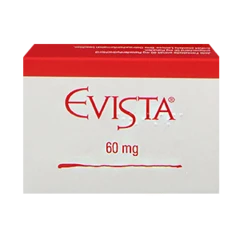
One raloxifene product sits on this shelf: Evista 60 mg tablets, the brand-name version of a medicine that protects bone and lowers breast cancer risk in postmenopausal women.
Key points
- Raloxifene may increase the risk of a blood clot in the legs or lungs. Tell your prescriber if you have ever had one, or if you face surgery or extended bed rest.
- The medicine is for postmenopausal women only; it cannot treat existing invasive breast cancer or stop it from returning.
- Hot flushes and flu-like symptoms are the most frequent side effects, affecting more than 1 in 10 users.
How does raloxifene work?
Raloxifene belongs to a group called selective oestrogen receptor modulators, or SERMs. In bone, it acts like oestrogen, slowing the breakdown of bone tissue and maintaining density; in a four-year trial, Evista reduced new vertebral fractures by 46% compared with placebo. In breast tissue, it blocks oestrogen’s signal, which may stop oestrogen-dependent tumours from developing. This dual action is why one 60 mg tablet is listed for both postmenopausal osteoporosis and breast cancer risk reduction, and why it sits in the Bone Health category.