
Alcohol Dependence
Alcohol dependence is a medical condition in which a person cannot stop or control their drinking despite negative consequences to their health, work, or relationships. It can range from mild to severe.

Key points
- Alcohol use disorder is considered a brain disorder that can range from mild to severe, encompassing what people call alcohol abuse, alcohol dependence, or alcoholism.
- Common signs include regularly drinking more than intended, difficulty cutting down, craving alcohol, needing increasing amounts for the same effect, and withdrawal symptoms when stopping.
- Treatment aims to help the person stop drinking completely, especially if dependent, but those not ready to stop are supported to reduce drinking to a safer level.
Medicines listed for Alcohol Dependence
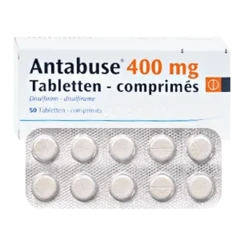
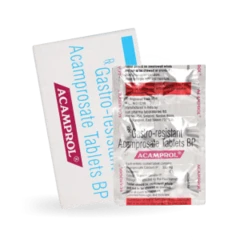
The three products listed for alcohol dependence contain Naltrexone, Disulfiram, and acamprosate, each in tablet form. Naltrexone is an opioid receptor antagonist that can reduce the rewarding effects of drinking. Disulfiram works by producing an unpleasant physical reaction if alcohol is consumed while taking it. Acamprosate is used to support abstinence after a person has stopped drinking.