
Allergic Rhinitis
Allergic rhinitis, often called hay fever, is irritation of the nose caused by an allergic reaction to something such as pollen. It produces sneezing, an itchy or blocked nose and watery eyes, and is frequently mistaken for a cold.
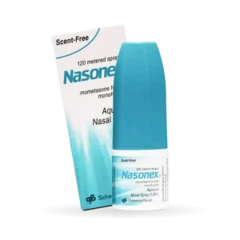
Nasonex Nasal Spray
18g
Mometasone furoate nasal spray for allergic rhinitis and nasal polyps. It reduces swelling inside the nose to ease congestion.
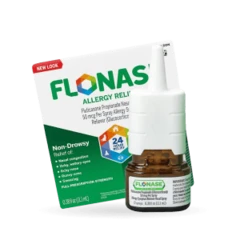
Flonase Nasal Spray
50mcg
Fluticasone nasal spray for hay fever and allergies. It reduces inflammation in the nose, taking down swelling and congestion.
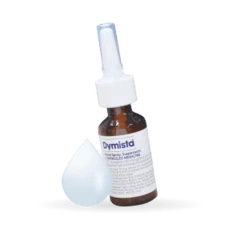
Dymista
Azelastine, Fluticasone Propionate
137mcg + 50mcg
Azelastine and fluticasone nasal spray for allergic rhinitis. It combines an antihistamine with a steroid to tackle both congestion and inflammation.
Key points
- The reaction is fast, usually starting within minutes of contact with the trigger.
- Tree, grass and weed pollen are common triggers, which is where the name hay fever comes from.
- For most people it is straightforward to treat with medicines from a pharmacist.
- Practical steps such as wraparound sunglasses, hot-washed synthetic bedding and damp dusting can reduce exposure.
Medicines listed for Allergic Rhinitis
The seven products listed here span several medicine classes. Montelukast is a leukotriene receptor antagonist taken as a tablet, appearing in both Singulair and Montair. Fluticasone Propionate is a corticosteroid delivered as a nasal spray, found in Flonase and combined with azelastine in Dymista. Nasonex delivers mometasone furoate as a nasal spray, while Rhinocort provides budesonide in an inhaler form. Clarinex contains desloratadine, an antihistamine tablet.
Further reading
What is allergic rhinitis?
Allergic rhinitis, often called hay fever, is irritation of the nose caused by an allergic reaction to something such as pollen, and it is frequently mistaken for a cold. The reaction is fast, usually starting within minutes of contact with the trigger.
What causes allergic rhinitis?
Allergic rhinitis is caused by an allergic reaction to something such as pollen. Tree, grass and weed pollen are common triggers.
What are the symptoms of allergic rhinitis?
Allergic rhinitis produces sneezing, an itchy or blocked nose and watery eyes, and is frequently mistaken for a cold.
How is allergic rhinitis treated?
For most people it is straightforward to treat with medicines from a pharmacist. Practical steps such as wraparound sunglasses, washing bedding in hot water and using synthetic bedding, and damp dusting can reduce exposure.
What medicines are available for allergic rhinitis?
The medicines listed for allergic rhinitis include products containing fluticasone propionate, montelukast and mometasone furoate. Examples include Nasonex Nasal Spray and Flonase Nasal Spray.
Are medicines for allergic rhinitis available over the counter in South Africa?
Yes, online. Direct Meds does not ask for a prescription to order medicines for allergic rhinitis. We are a broker, not a dispensing pharmacy. We arrange orders and delivery with our affiliated supplier on your behalf.
Ordering without a prescription →Where can I buy medicines for allergic rhinitis online?
On Direct Meds: choose the product, strength and pack, then check out. Our affiliated supplier delivers across South Africa. Estimated delivery is 7 days with Express Delivery, which includes online tracking, or up to 3 weeks with Regular Delivery.
How ordering works →