
Open-angle Glaucoma
Open-angle glaucoma is the most common form of glaucoma, a group of eye diseases that damages the optic nerve and can lead to vision loss and blindness.
Key points
- Early symptoms are usually absent, so about half of people with glaucoma are unaware they have it.
- Vision loss typically begins slowly with peripheral vision, especially the area closest to the nose, and may go unnoticed for a long time.
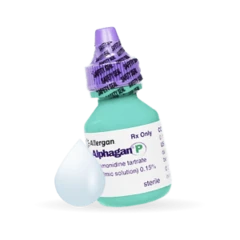
- Management includes eye drops to lower eye pressure, laser treatment to improve fluid drainage, and surgery if those measures are insufficient.
- There is no cure, but early treatment can often halt the damage and protect remaining vision.
Medicines listed for Open-angle Glaucoma
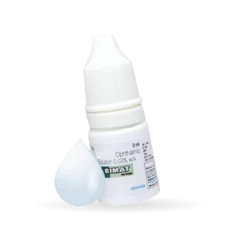
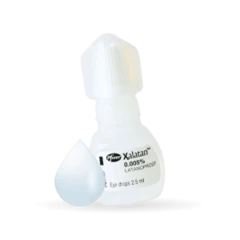
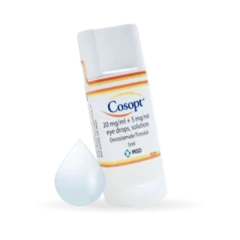
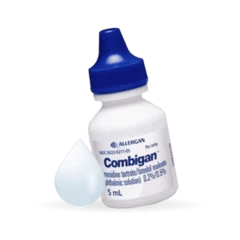
In open-angle glaucoma, the drainage angle between the iris and cornea stays open, but fluid does not exit the eye efficiently. The five products listed here are all eye drops containing timolol, brimonidine, bimatoprost, latanoprost, or dorzolamide. These span several medicine classes: beta-blockers, alpha-2 agonists, prostaglandin analogues, and a carbonic anhydrase inhibitor. Each class lowers pressure inside the eye through a different mechanism, which is how treatment aims to slow the disease.