Skip to content

Progesterone

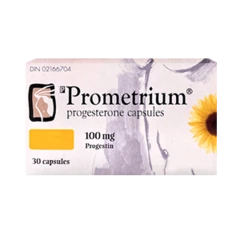
Two progesterone products sit on this shelf: Progesterone Capsules at 200 mg and Prometrium, the brand-name version, in 100 mcg and 200 mcg. Both are listed for secondary amenorrhoea and endometrial hyperplasia.

Progesterone Capsules

Secondary Amenorrhoea, Endometrial Hyperplasia

200mg

Progesterone capsules for missed periods and endometrial hyperplasia. They deliver the same hormone the body makes, helping to regulate the menstrual cycle.

From$0.69/ capsuleView
Prometrium

Secondary Amenorrhoea, Endometrial Hyperplasia

100mcg · 200mcg

Progesterone tablets for secondary amenorrhoea and endometrial hyperplasia. They are often used alongside oestrogen to protect the uterine lining.

From$1.76/ tabletView

Key points

  • Progesterone prepares the uterine lining so a fertilized egg can implant and grow.
  • Low progesterone levels may make it hard to conceive and put a person at higher risk for miscarriage.
  • Progestin is the synthetic form of progesterone, used when the body does not produce enough on its own.

Common questions about Progesterone

What separates Progesterone Capsules from Prometrium?

Progesterone Capsules is the generic listing, supplied as a 200 mg capsule under Women’s Health. Prometrium is the brand-name version, listed as a tablet in 100 mcg and 200 mcg. Both contain the same active ingredient, progesterone.

Which conditions do both products cover?

Both products are listed for Secondary Amenorrhoea and Endometrial Hyperplasia. These are the two conditions progesterone is indicated for across the full catalogue, whether you choose the generic capsule or the brand-name tablet.

Further reading