
Type 2 Diabetes Mellitus
Type 2 diabetes mellitus develops when insulin stops working properly or the body makes too little of it, so glucose builds up in the blood. It mainly affects adults but can occur in children, and often produces no symptoms early on.
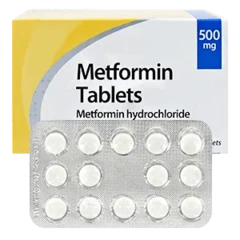
Metformin Tablets
500mg · 850mg
Metformin tablets for type 2 diabetes. It reduces sugar output from the liver and helps the body respond better to its own insulin.
Empagliflozin Tablets
10mg · 25mg
Empagliflozin tablets for type 2 diabetes and heart failure. They lower blood sugar by letting the kidneys remove it in urine.

Sitagliptin Tablets
50mg · 100mg
Sitagliptin tablets for type 2 diabetes. They belong to a class that boosts insulin release only when blood sugar is high.
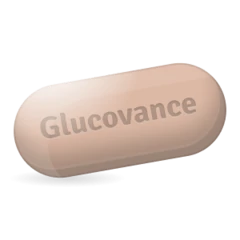
Glucovance
2.5mg + 400mg · 5mg + 500mg
Metformin and glibenclamide tablets for type 2 diabetes. The two drugs lower blood sugar by different routes, so one pill does the work of two separate ones.
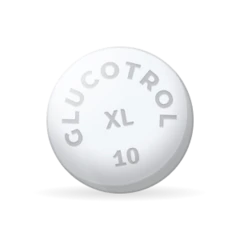
Glucotrol Xl
2.5mg · 5mg · 10mg
Glipizide extended-release tablets for type 2 diabetes. The prolonged release keeps the pancreas nudged to make insulin steadily, rather than in one short burst.
Key points
- Plenty of people have no symptoms at all and only find out through a screening test.
- Losing a modest amount of weight, between a twentieth and a tenth of body weight, measurably improves blood sugar control in someone who is overweight.
- Remission is possible: blood glucose can stay well controlled for at least three months without medicines after lifestyle change and weight loss.
- More than one medicine is often needed, and some people eventually need insulin.
Medicines listed for Type 2 Diabetes Mellitus
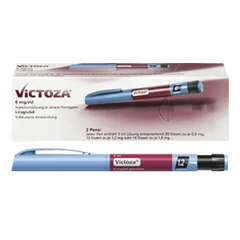
The ten products listed for type 2 diabetes mellitus span several medicine classes. Metformin appears as a single-ingredient tablet and in a combination with glibenclamide. Semaglutide is available as an oral tablet (Rybelsus), while liraglutide is supplied as an auto-injector (Victoza). The SGLT2 inhibitors empagliflozin and dapagliflozin are both listed as tablets. Sitagliptin, a DPP-4 inhibitor, glimepiride and glipizide (sulfonylureas), and pioglitazone (a thiazolidinedione) round out the range. Some of these medicines also carry indications for heart failure or chronic kidney disease alongside diabetes.
Further reading
What is type 2 diabetes mellitus?
Type 2 diabetes mellitus develops when insulin stops working properly or the body makes too little of it, so glucose builds up in the blood. It mainly affects adults but can occur in children, and often produces no symptoms early on.
What are the symptoms of type 2 diabetes?
Many people have no symptoms at all and only find out through a screening test. This means the condition can be present without you noticing anything.
How is type 2 diabetes treated?
Treatment usually starts with lifestyle change and weight loss. More than one medicine is often needed, and some people eventually need insulin.
What medicines are available for type 2 diabetes mellitus?
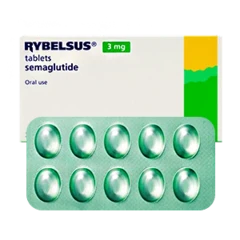
The medicines listed for type 2 diabetes mellitus include products containing metformin, semaglutide and empagliflozin. Examples include Rybelsus and Metformin Tablets.
Do I need a prescription for medicines for type 2 diabetes mellitus in South Africa?
No, not online. Direct Meds does not ask for a prescription to order medicines for type 2 diabetes mellitus. We are a broker, not a dispensing pharmacy. We arrange orders and delivery with our affiliated supplier on your behalf.
Ordering without a prescription →Do you deliver medicines for type 2 diabetes mellitus to South Africa?
Yes. Our affiliated supplier delivers across South Africa. Estimated delivery is 7 days with Express Delivery, which includes online tracking, or up to 3 weeks with Regular Delivery.
How ordering works →Related articles
22 Sept 2026 ⋅ 4 min read
Rybelsus in South Africa: oral semaglutide and access
Understand Rybelsus oral semaglutide, its diabetes indication, switching risks and what to check when sourcing treatment in South Africa.
Read guide